
By Chucks Nwonye
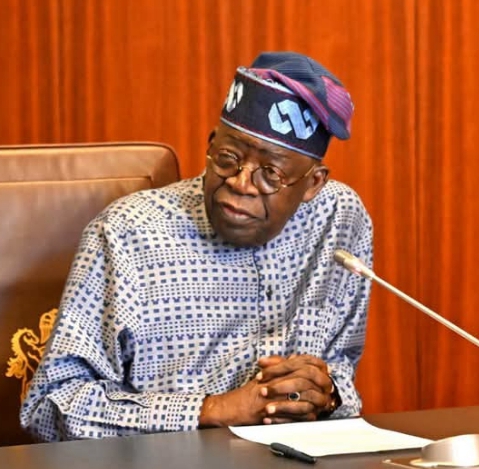
President Bola Ahmed Tinubu has approved the appointment of 26 Nigerians into leadership and board positions across 10 Federal Government agencies and commissions, in what the Presidency described as part of efforts to reposition critical sectors of the economy and public service.
The appointments, announced in a Statehouse press release signed by the Special Adviser to the President on Information and Strategy, Bayo Onanuga, on July 20, 2026, cover agencies in energy, population, finance, education, housing, and public administration. All appointments take immediate effect.
Former Ekiti State Governor, Mr. Ayo Fayose, was named Chairman of the Board of the Rural Electrification Agency, REA. He will lead the agency’s governing board alongside new non-executive directors Alhaji Ahmadu Abubakar and Engineer Ilyasu Ibrahim Makinta. The incumbent Director-General of REA, Abba Abubakar Aliyu, along with three executive directors previously appointed, will complete the board.
The REA is central to the administration’s energy access agenda, particularly its push to expand electricity to rural and underserved communities through off-grid and renewable solutions.
In another key appointment, President Tinubu named Major General Junaid Bindawa, retired, as Chairman of the National Salaries, Incomes and Wages Commission. The commission, which advises government on remuneration policies across the public sector, also received eight other appointments.
Former member of the House of Representatives from Lagos, Hon. Olajumoke Okoya-Thomas, was appointed Secretary of the Commission. Three new commissioners were also named to represent geopolitical zones: Dr. Ogbole Ene Lilian for Benue, Oladele Olatubosun for Oyo, and Yakubu Umar Barde for Kaduna.
The President further appointed Dr. Mai Adamu Yau from Borno, Ginika Florence Tor from Enugu, Engineer Lawrence Okoh from Edo, and Bello Morenike Iyabode from Kogi as members of the commission.
In the finance and revenue sector, Tosin Johnson Adeyanju, who previously served as Executive Secretary of the National Lottery Trust Fund, NLTF, has been redeployed to the Revenue Mobilisation Allocation and Fiscal Commission as Secretary.
President Tinubu also constituted a new board for the Fiscal Responsibility Commission, with Dr. Abdullahi Maikano Saidu appointed as Chairman. Board members include Mohammed Asmau, Mohammed Aliyu Makama, Dr. Suleiman Gidado, Louis O. Ndukwe, Amaechi Ugwele, and Olaniyi Idowu Onikola. The commission is tasked with promoting prudent management of public resources and enforcing the Fiscal Responsibility Act.
The energy sector received three major appointments. Dr. Akinola Odeyemi was named Managing Director of the Nigerian Bulk Electricity Trading Plc, NBET, the agency that buys power in bulk from generating companies and sells to distribution companies. Dr. Anthony Inalegwu Godwin was appointed Chairman and Chief Executive Officer of the Nigeria Atomic Energy Commission, while Dr. Abuh Mohammed was named Director-General of the National Population Commission.
The education sector also saw a change with the appointment of Shuni Muhammad Dahiru as Executive Secretary of the National Commission for Mass Literacy, Adult and Non-Formal Education. He replaces Professor Shu’aibu Shehu Aliyu, who was reassigned to the Petroleum Technology Development Fund, PTDF, in April.
In the agriculture and housing sectors, Engineer Julius Oloro, a former local government council chairman, was appointed Chief Executive Officer of the National Centre for Agricultural Mechanisation, NCAM, based in Kwara State. He succeeds Dr. A.R. Kamal, who died in January.
To fill a vacancy at the Federal Housing Authority, President Tinubu appointed Gisaor Vincent Iorja as Executive Director, Finance. The position became vacant following the resignation of Mathias Byuan, who stepped down to contest the governorship election in Benue State. Iorja, described as an economist, legal scholar, and academic, currently serves as Secretary of the Benue State Independent Electoral Commission, BSIEC.
The Presidency said the appointments reflect the President’s commitment to deploying experienced professionals and political leaders to drive policy implementation across government.
The list brings to several dozens the number of appointments made by the Tinubu administration this year as it continues to fill vacancies and reconstitute boards that had remained in place since the last administration.
With the energy, population, wages, and fiscal agencies all receiving new leadership, pundits opine that the appointments signal the administration’s focus on inflation management, power sector reform, and data-driven planning ahead of the 2027 budget cycle.
The new appointees are expected to assume duties immediately and work with their respective ministers and supervising agencies to deliver on the administration’s Renewed Hope Agenda.