
By Staff Reporter
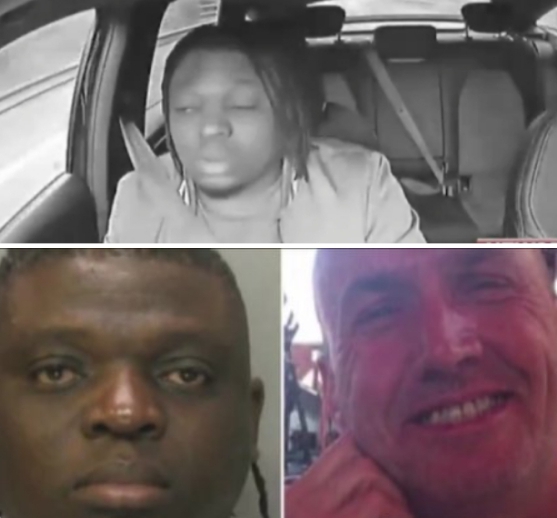
A 45-year-old Nigerian-British private hire driver has been sentenced to six years in prison in the United Kingdom after falling asleep at the wheel and causing a crash that killed a 59-year-old man in Surrey.
Kolawole Erunkulu was sentenced after pleading guilty to causing death by dangerous driving. In addition to the prison term, he was banned from driving for eight years.
Court proceedings heard that Erunkulu had been working extensive hours in the days leading up to the collision. Prosecutors said he had driven for around 53 hours across three days. Dashcam footage from his vehicle, presented in court, reportedly showed clear signs that he was struggling to stay awake in the moments before the crash.
The incident occurred when Erunkulu’s vehicle struck Philip Dray, 59, who died at the scene in Surrey. Emergency services attended but were unable to save him.
Judge [name withheld in court reporting] told Erunkulu that driving while so severely fatigued posed the same level of risk as driving under the influence. The court heard that the decision to get behind the wheel after such a long period without adequate rest had fatal consequences.
Erunkulu’s guilty plea was taken into account during sentencing. Causing death by dangerous driving attracts serious punishment in the UK, and the court said the length of time spent driving and the impact on the victim’s family were aggravating factors.
Beyond the legal outcome, the case has reignited debate about working conditions for private hire and delivery drivers in Britain. Many drivers in the sector are self-employed who rely on long hours to meet rent, bills and rising living costs.
Mixed reactions which trail the incident show commenters arguing that platform pay structures and increased demand often push drivers to work beyond safe limits.
“People aren’t choosing exhaustion because they want to,” said one road safety campaigner who attended the hearing.
“They’re choosing it because they need to feed their families and keep a roof over their heads. That doesn’t excuse what happened, but we have to ask if we’re doing enough to stop it happening again.”
The question now being asked by drivers’ associations and safety charities is whether exhaustion should be treated solely as a personal failing, or as a systemic issue tied to economic pressure in the gig economy. Current UK law places responsibility on the individual driver to ensure they are fit to drive, but there are growing calls for platforms and regulators to introduce mandatory rest checks and clearer limits on hours logged through apps.
According to Philip Dray’s family sources, the sentence brings some closure but not relief. In a post-court chat with newsmen, relatives described Dray as a devoted family member whose life was cut short by a preventable crash.
Erunkulu will serve his sentence in a UK prison and will not be permitted to drive for eight years once released.
Road safety officials have urged all drivers, particularly those working long shifts, to take regular breaks and to stop driving if they feel tired. The Department for Transport says fatigue is a factor in around 1 in 5 fatal crashes on major roads.
The case serves as a stark reminder that behind the statistics are real lives lost, and real families left to ask how the pressure to survive can sometimes collide with the duty to stay safe on the road.