
By Sumailla Shittu
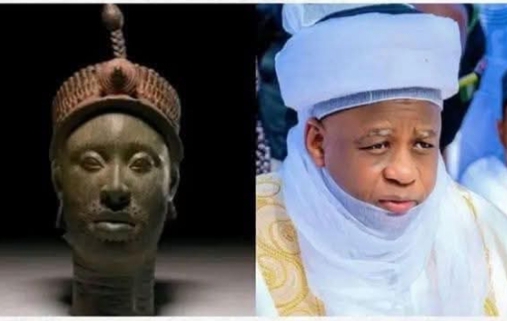
In a move that could reshape the Islamic religion’s leadership in Nigeria’s Southwestern States, the Chief Imam of Ibadanland and the League of Imams in Yorubaland have declared that they, not the Sultan of Sokoto, Muhammadu Sa’ad Abubakar III, will determine when Ramadan begins for Yoruba Muslims.
The clergy argued that the Sultan’s traditional title does not grant him religious jurisdiction over the region, pointing out that Islam arrived in Yorubaland long before the 19th‑century Sokoto Caliphate.
The Yoruba Muslims also asserted that the Caliphate’s political influence lasted less than a century before British colonial rule.
The leaders further stressed that the Sultan’s status is customary, not constitutional, maintaining that no Nigerian law designates him as “Sultan of Muslims.”
The Yoruba Muslims consequently held that they were not religiously bound to follow his moon‑sighting announcements. Instead, they called for leadership rooted in moral integrity, justice, and inclusivity—qualities, according to them, should define any religious authority.
This assertion marks a significant shift toward a locally grounded Islamic leadership in the Southwestern states challenging the notion of a single ethnic group dominating Nigeria’s Muslim community and signaling a new chapter in the nation’s diverse religious landscape.
It would be recalled that Woro, a community in Kwara State was on February 3, attacked by Islamic gunmen who were reportedly trying to force the Muslim adherents to reject Nigerian constitution and pay full allegiance to Shari’a law.
According to media reports, hundreds of villagers were killed during the attack including women and children. Several others were also kidnapped, while property were destroyed, others looted.
The widespread condemnation that followed the attack and several similar attacks which are still ongoing in different parts of Nigeria, reportedly gave rise to the rejection of the ‘Northern-styled’ Islam, while the Sultan of Sokoto is alleged to have remained silence in the face of the killings by Islamic gunmen.