
…says it’s a significant milestone
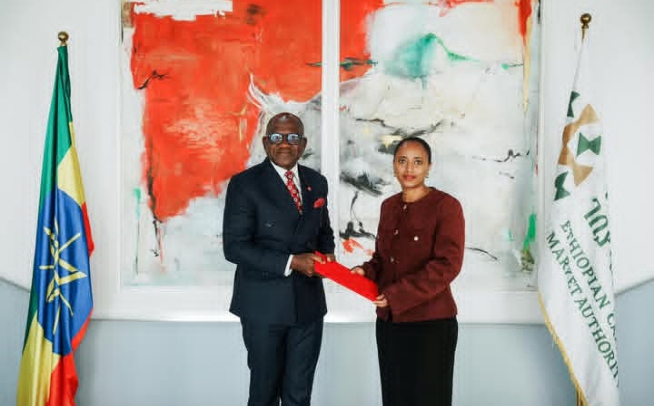
United Capital Plc has secured regulatory licences to expand operations into Rwanda and Ethiopia, a move the company says positions it as the first foreign investment bank to obtain an investment banking licence in Ethiopia. The development was announced in a statement signed by Tony Elumelu, Chairman of United Bank for Africa and founder of Heirs Holdings, who praised the team for the achievement.
The dual approvals give United Capital permission to offer investment banking, asset management, trusteeship, and securities trading services in two of East Africa’s most closely watched economies. Rwanda has spent the last decade building a reputation as a regional financial hub, while Ethiopia is just beginning to open its banking and capital markets to foreign participation after years of state control.
Elumelu framed the expansion as part of a larger push to deepen Africa’s capital markets and fund homegrown growth.
“I am delighted to see the team secure Licences to expand into Rwanda and Ethiopia, becoming the first foreign investment bank to obtain an investment banking licence in Ethiopia,” Elumelu said in the statement.
Ethiopia’s financial sector has long been restricted to domestic players. The National Bank of Ethiopia only recently began liberalizing parts of the market to attract foreign expertise and capital. United Capital’s licence makes it the first non-Ethiopian investment bank cleared to operate there, giving it early access as local companies seek funding for infrastructure, manufacturing, and services.
The significance, according to the statement, goes beyond one firm’s growth.
“This marks a significant milestone and another step towards deepening domestic capital mobilization, financing Africa’s growth, and unlocking opportunities across the continent,” Elumelu stated.
For Ethiopian businesses, the entry of an experienced investment bank could mean new options for raising debt and equity, structuring mergers and acquisitions, and connecting with international investors. For United Capital, it creates a foothold in a market of more than 120 million people that has been largely underserved by modern capital markets.
Rwanda’s capital markets have grown steadily since the Capital Market Authority began reforms in the late 2000s. The Kigali International Financial Centre and the Rwanda Stock Exchange have drawn regional fund managers, fintech firms, and development finance institutions. United Capital’s licence allows it to tap into that ecosystem while also serving clients looking to expand between West Africa and East Africa.
The Rwanda and Ethiopia entries complement United Capital’s existing presence in Nigeria and Ghana. Under Group CEO Peter Ashade, the firm has built a reputation advising on infrastructure, corporate finance, and public sector transactions. Adding two East African markets strengthens its pitch to clients pursuing cross-border deals under the African Continental Free Trade Area.
Elumelu used the announcement to acknowledge the executives and staff who secured the approvals, which typically require extensive regulatory review and local partnerships.
“Congratulations to Peter Ashade and the entire United Capital team. The journey continues,” he said.
Peter Ashade has led United Capital’s push to diversify beyond Nigeria, growing its asset management and trusteeship arms while winning mandates on major transactions. The Ethiopia and Rwanda licences are the latest proof point for that strategy.
The immediate focus will shift to setting up operations, hiring local talent, and building relationships with regulators, issuers, and investors in both markets. Success will depend on how quickly United Capital can adapt its products to local needs while maintaining the risk and compliance standards that won it regulatory approval.
If the expansion works, it could encourage other African financial institutions to pursue similar cross-border growth. It also sends a signal to global investors that African banks and investment firms are capable of leading capital mobilization on the continent, rather than only playing a supporting role.
For Elumelu, the move fits a pattern he has advocated for years: African capital funding African development.