
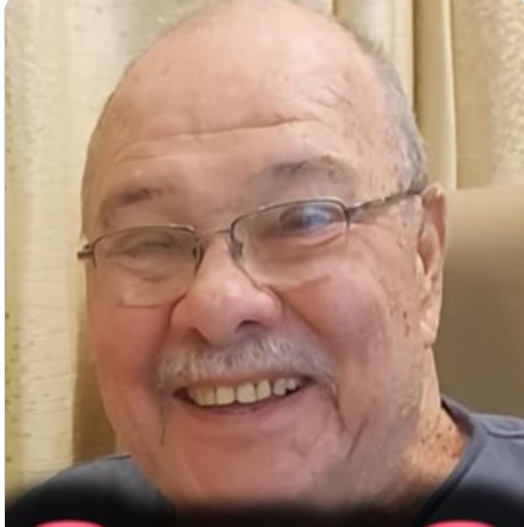
The Calculated Courage of Shlomo Ron — When Sitting Still Became An Act Of Resistance
By Ashley Johnson
When the first bursts of gunfire tore through Kibbutz Nahal Oz on the morning of October 7, 2023, 85-year-old Shlomo Ron understood within seconds what was unfolding. A founding member of the kibbutz, he had built that home, that community, and that safe room with his own hands. He also understood how Hamas militants were searching houses.
As armed gunmen moved from door to door in one of the closest Israeli communities to the Gaza border, Ron made a decision that defies every human instinct for self-preservation.
He ordered his wife, his two daughters and his grandson into the reinforced safe room — the mamad — and then refused to join them.
His family pleaded with him. He refused.
Ron’s logic was chillingly clear and tactically astute. In the chaos of the assault, militants were conducting rapid assessments of homes. An empty, silent house raised suspicion; it suggested people were hiding and warranted a thorough search. A house with an elderly man sitting openly in his living room told a different story — that there was no one else to find.
So Shlomo Ron, a grandfather in his mid-80s, walked to his favorite armchair in the living room, sat down, and waited.
When the attackers burst through his front door, they found exactly what he wanted them to find: an old man alone. They shot and killed him where he sat, and then, believing the house was otherwise empty, left immediately. They did not search the closets. They did not check the safe room door. They did not discover the four family members huddled just meters away.
Because he chose to be seen, his family remained unseen. Because he chose to die in the open, they lived in hiding.
For hours afterward, as the massacre continued across Nahal Oz — a kibbutz where a quarter of residents were either murdered or kidnapped — his wife, daughters and grandson remained in that safe room, alive because of his sacrifice.
The story of Shlomo Ron is not simply a story of bravery under fire. It is a study in what psychologists call altruistic decision-making under extreme time pressure. He had perhaps a minute to weigh two options: hide with his family and risk all five being discovered, or separate himself and create a decoy that would satisfy the attackers’ cursory search pattern. He chose the second.
It also reframes our understanding of heroism on October 7. Much of the heroism we remember from that day involved fighting — soldiers, police officers, and civilian security squads rushing toward gunfire. Ron’s heroism was the opposite. It was stillness. It was deliberate, calculated passivity as a weapon.
He weaponized the militants’ own assumptions. He understood that in a house-to-house killing spree, speed matters more than thoroughness, and that the presence of a single, non-threatening victim provides psychological closure for a killer looking to move to the next target.
In Israel, Shlomo Ron is now remembered not just as a victim of the October 7 attack, but as one of its defining heroes — a founding generation kibbutznik who, in his final act, fulfilled the most elemental promise of a founder: to ensure the next generation lives.
His wife, daughters and grandson survived the multi-hour siege physically unharmed because an 85-year-old grandfather decided his favorite chair would be his final post.