
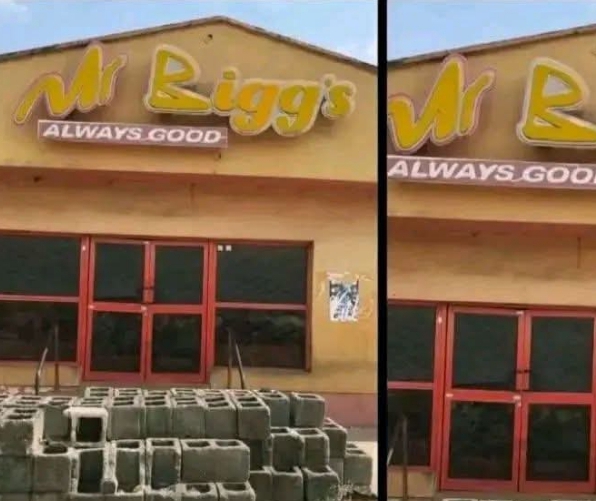
Mr. Bigg’s did not die because Nigerians stopped eating fast food. They died because they forgot what they were actually selling.
In the late 90s and early 2000s, taking your family to Mr. Bigg’s was the ultimate middle-class flex.
They owned the market. They had the first-mover advantage, the backing of a massive conglomerate (UAC), and the legendary recipe for the best meat pie in the country.
But then, they fell into The Franchise Trap (Reckless Scaling).
Here is the “Real Thing” that happened:
In a rush to dominate every single corner of Nigeria, Mr. Bigg’s heavily adopted the franchise model. They licensed their name to independent business owners across the country.
On paper, this looked like genius. Rapid expansion using other people’s money.
But franchising has one brutal, unbreakable rule: Your quality control must be a dictatorship. Mr. Bigg’s failed to enforce this. The brand lost its grip on the steering wheel.
Suddenly, a meat pie in Ikeja tasted completely different from a meat pie in Ilorin.
Franchisees who wanted to save money on diesel started turning off their generators, leaving customers sweating in the dining halls.
To cut costs, some outlets started serving stale food and using cheaper ingredients.
The customer didn’t care that the outlet was owned by “Mr. Kunle.” The customer only saw the Mr. Bigg’s logo.
While Mr. Bigg’s was bleeding trust, hungry, agile competitors like Chicken Republic and Sweet Sensation entered the market. They didn’t just bring better aesthetics; they brought military-level consistency.
When the economy got tougher, competitors innovated with aggressive, affordable combo meals (like the “Refuel” meal), while Mr. Bigg’s remained stubborn, resting on their “Pioneer” prestige.
They thought their brand name would save them, but a hungry customer has no loyalty to a fading memory.